Actor on Tulsa King: How Iran’s New Pipeline Could Shift Global Oil Dynamics
When the latest episode of Tulsa King aired, fans buzzed about the lead actor’s gritty performance; at the same time, policymakers are buzzing about a very different kind of pipeline that could rewrite the rules of oil transport. Iran’s decision to construct a land‑based route that circumvents the Strait of Hormuz promises to reshape supply chains, price volatility, and geopolitical calculations—issues that any savvy observer, whether a television critic or an energy analyst, should understand.
Why the Strait of Hormuz Remains a Global Flashpoint

The Hormuz narrows to just 21 nautical miles at its tightest point, channeling roughly a third of the world’s seaborne oil. Any disruption—whether a naval standoff, a mined waterway, or a sudden embargo—has historically sent crude prices soaring within hours. For oil‑dependent economies, the strait functions like a high‑stakes theater where a single misstep can reverberate across markets, influencing everything from gasoline pumps in the Midwest to airline fuel costs across the Pacific.
The Iranian Bypass: A New Pipeline Blueprint
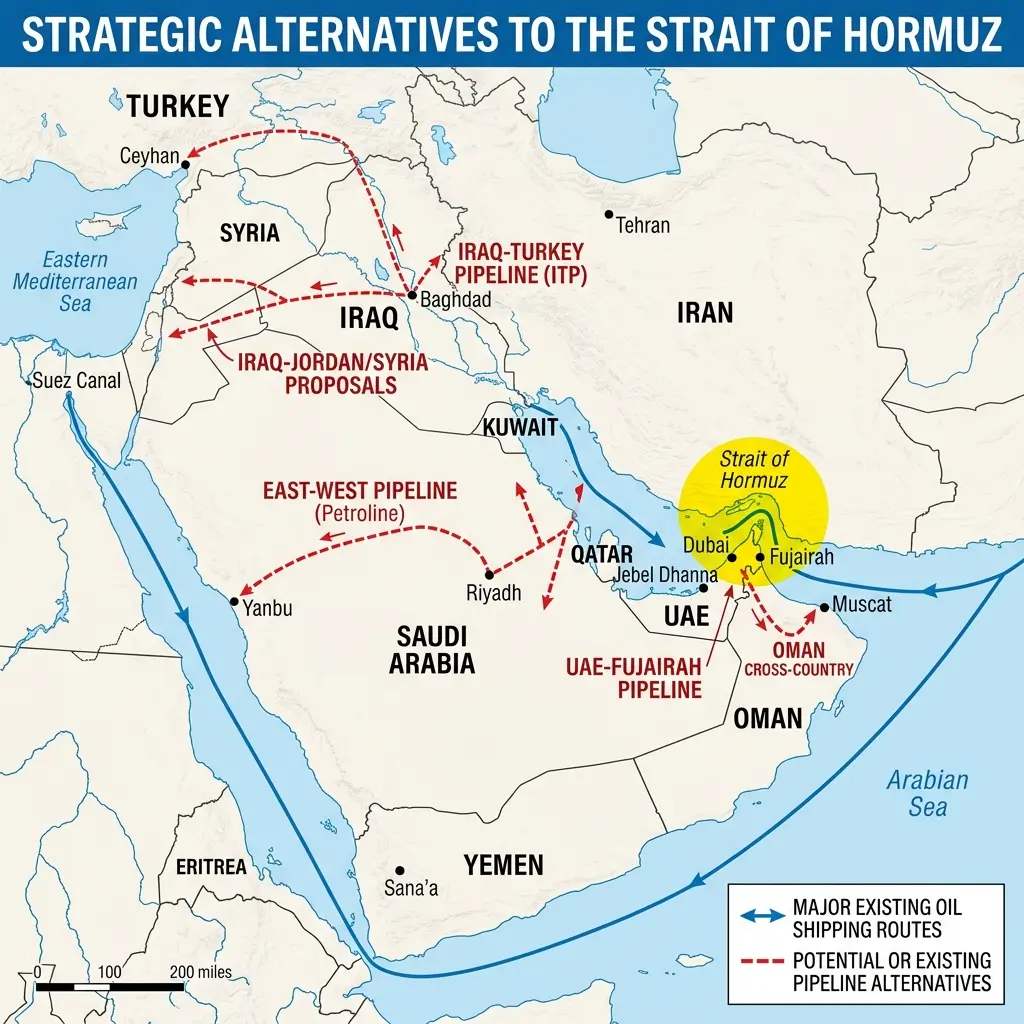
Iran’s proposed pipeline will stretch from the Persian Gulf’s offshore fields to the country's western border, linking to existing rail and road networks that feed into Turkish and European markets. While exact capacity figures remain classified, engineers estimate an initial throughput capable of handling 1‑2 million barrels per day—a fraction of the strait’s total flow, yet enough to provide a credible alternative route for regional exporters. Construction is slated to begin within the next twelve months, contingent on sanctions relief and financing from regional partners.
Key technical and logistical points
- Route choice: The line will follow a desert corridor, minimizing exposure to coastal threats.
- Infrastructure integration: Connections to Iran’s rail system will enable rapid transfer to the Turkish rail network, shortening delivery times to Europe by up to three days.
- Security considerations: Land‑based transport reduces the risk of piracy and naval confrontations, though it introduces new challenges related to border control and sabotage.
Practical Implications for Energy Markets
- Price stability: With an additional land route, traders may see a modest dampening of price spikes that typically follow Hormuz‑related news.
- Supply diversification: Countries reliant on Gulf oil can negotiate contracts that route through the pipeline, reducing dependence on a single chokepoint.
- Investment signals: The project may attract private capital seeking to hedge geopolitical risk, potentially accelerating related infrastructure upgrades in neighboring states.
- Regulatory shifts: Nations may revise export licensing frameworks to account for the new transit option, influencing how oil futures are priced.
Decision‑Making Checklist for Stakeholders
Whether you’re a corporate risk officer, a government advisor, or an investor watching the energy sector, consider these steps before the pipeline becomes operational:
- Assess exposure: Map current supply chains against the pipeline’s projected capacity to identify vulnerable links.
- Scenario planning: Model price outcomes under three conditions—full Hormuz access, partial blockage, and complete bypass via the new line.
- Engage local partners: Secure agreements with Iranian rail operators and Turkish logistics firms to guarantee seamless transfer.
- Monitor sanctions policy: Track diplomatic developments, as any shift could accelerate or stall construction, directly affecting market forecasts.
While the drama unfolding on screen may captivate viewers, the real‑world stakes of Iran’s pipeline decision affect the same audience that watches Tulsa King—consumers paying at the pump, investors balancing risk, and policymakers safeguarding energy security. Understanding the mechanics of the bypass offers a practical roadmap for navigating an ever‑more complex oil landscape.
All The Alternative Routes For Middle East Oil And Gas To Bypass The
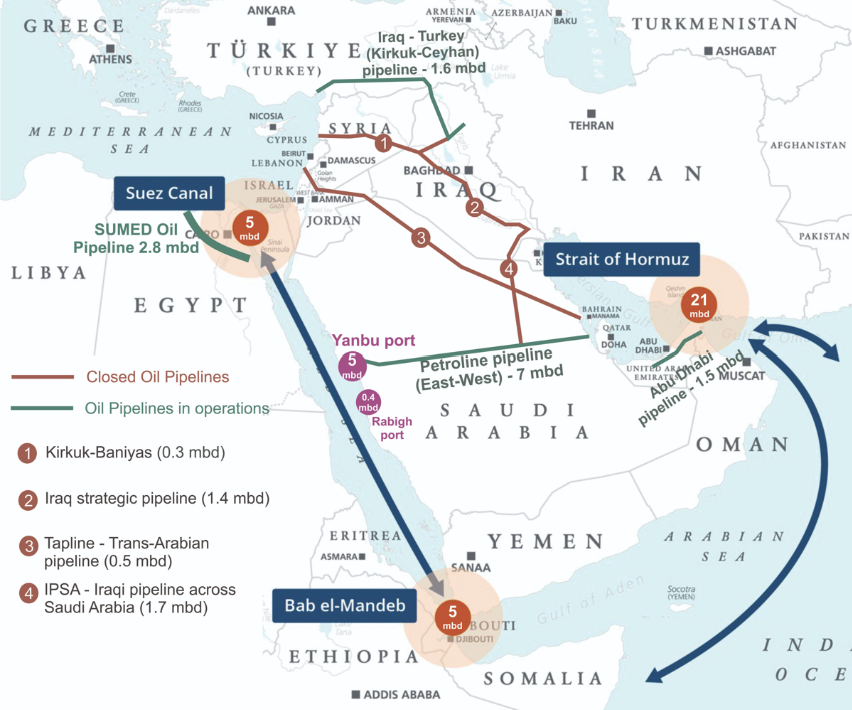
All the alternative routes for Middle East oil and gas to bypass the ...
Strait Of Hormuz

Strait of hormuz
Strait Of Hormuz Oil Flows Dry Up: How This Affects India, And The
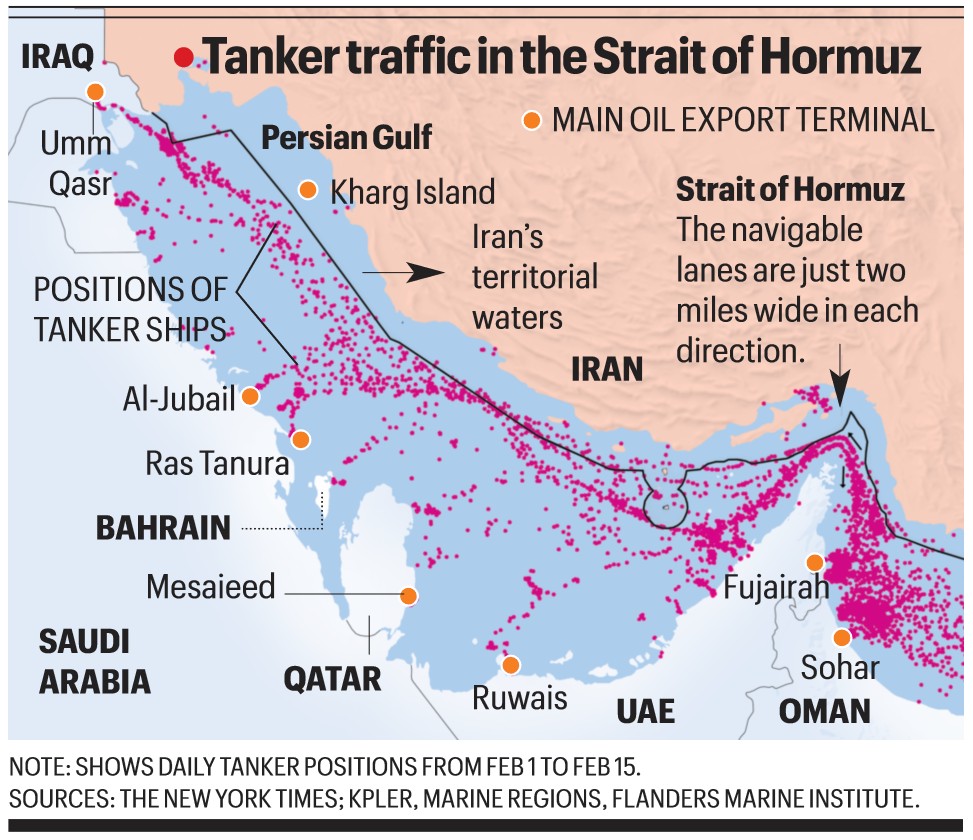
Strait of Hormuz oil flows dry up: How this affects India, and the ...