Ban W vs SL W Live Score Today: Overview of the Roco 43940 E-Lok Be 6/8 II Krokodil
Although no live score data for a “ban w vs sl w” match is available, enthusiasts often turn to reliable hobby topics when searching for timely updates. One such subject is the Roco 43940 E-Lok Be 6/8 II Krokodil, a highly detailed H0 scale electric locomotive that captures the iconic Swiss crocodile design and offers practical insights for model railroaders.
What makes the Roco 43940 E-Lok Be 6/8 II Krokodil stand out?
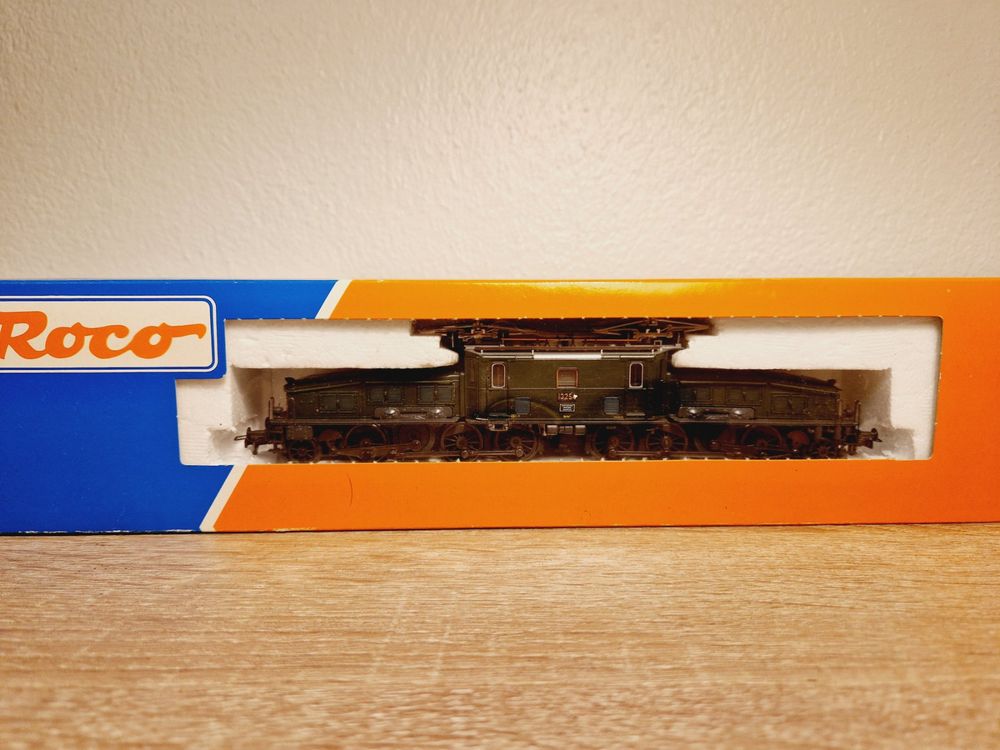
This model reproduces the historic Be 6/8 II series used by the Swiss Federal Railways (SBB) from the 1910s through the 1960s. Its long, articulated body features two powered bogies connected by a central cab, giving the locomotive its distinctive “crocodile” silhouette. Roco’s version includes finely printed side panels, authentic pantographs, and a metal frame that adds weight for stable tracking. The locomotive is equipped with a reliable DC motor, directional lighting, and a DCC‑ready socket, allowing hobbyists to run it analog or upgrade to digital control without major modifications.
How does this model compare to other H0 scale locomotives?
Compared to standard diesel or electric H0 offerings, the Krokodil’s articulated frame provides a longer wheelbase, which improves curve negotiation on larger layouts. While many H0 locomotives rely on a single powered bogie, the dual‑bogied design distributes traction more evenly, reducing slip on steep grades. In terms of detail, Roco’s printing and rivet replication surpass many budget alternatives, bringing the prototype’s riveted panels and roof equipment into clear view. The price point typically sits in the mid‑range for detailed electric models, offering a balance between authenticity and affordability.
Why might hobbyists consider adding this locomotive to their layout today?
For modelers interested in European era‑specific scenes, the Be 6/8 II adds a recognizable Swiss touch that pairs well with period‑correct passenger cars or freight wagons from the early‑mid 20th century. Its DCC‑ready interface simplifies integration into modern digital systems, while the robust mechanical build ensures reliable operation during long running sessions. Enthusiasts who appreciate historical accuracy will find the locomotive’s authentic livery and precise dimensions useful for creating convincing dioramas or realistic mainline stretches. Adding the Roco 43940 not only diversifies a roster but also offers a tangible conversation piece that reflects a unique chapter of railway history.