Current Weather Rochester MN: What to Expect and How to Prepare
Rochester, Minnesota sits in a transitional climate zone where warm summer days can give way to chilly evenings, and winter storms often arrive with little warning. For residents juggling work, errands, and family commitments, these shifts create practical challenges—from deciding what to wear in the morning to ensuring a vehicle starts reliably after a cold snap. Understanding the typical patterns and preparing simple, repeatable habits can turn weather‑related stress into a manageable part of the routine.
Seasonal Overview
Spring in Rochester brings rapid temperature swings; daytime highs may reach the 60s °F while nighttime lows dip into the 30s °F, often accompanied by lingering snowmelt that turns roads slick. Summer months are generally mild, with average highs in the upper 70s °F, but occasional heat waves push temperatures into the 90s °F, raising the need for hydration and shade. Autumn sees a steady cooling trend, with crisp mornings and vibrant foliage, yet early frosts can appear as early as October. Winter is the most demanding season, featuring average January highs around 20 °F and lows near 5 °F, frequent snowfall, and wind chills that frequently drop below‑0 °F.
Common Pain Points for Busy Residents
The most frequent frustrations stem from unpredictability. A morning that starts clear can turn into a sudden downpour, leaving commuters without an umbrella or rain‑proof gear. In winter, a brief thaw followed by a refreeze creates black ice on sidewalks and parking lots, increasing slip risks for those rushing to appointments. Summer heat can cause fatigue during outdoor errands, especially when individuals forget to carry water or wear breathable fabrics. These issues are amplified for people who rely on public transit or who have tight schedules that leave little room for weather‑related delays.
Practical Solutions for Daily Routines
Layering clothing remains the most effective defense against temperature flux. A lightweight, moisture‑wicking base layer topped with an insulating mid‑layer and a waterproof outer shell lets residents add or remove pieces as conditions change throughout the day. Keeping a compact, packable rain poncho in a bag or car trunk ensures readiness for unexpected showers. For winter, investing in a good pair of insulated, waterproof boots and a set of traction aids—such as slip‑on ice grips—dramatically reduces the chance of falls on icy surfaces. In the car, maintaining at least half a tank of fuel, checking antifreeze levels, and storing a small emergency kit with blankets, snacks, and a flashcard of emergency contacts can prevent being stranded during a sudden storm.
Staying Informed Without Overload
Reliable, concise updates help busy residents make quick decisions without getting lost in endless forecasts. The National Weather Service’s Rochester office issues hourly updates that can be accessed via a simple smartphone widget or a dedicated weather app with push notifications for severe alerts. Subscribing to a local news station’s brief morning email—often under 100 words—delivers the essential high‑low temperature, precipitation chance, and any active warnings. For those who prefer voice assistants, enabling a “weather brief” routine that reads the current conditions and the day’s outlook while preparing breakfast or coffee integrates information seamlessly into existing habits.
Making Weather a Manageable Part of Life
By recognizing Rochester’s climate patterns, anticipating the most common inconveniences, and adopting low‑effort preparations—like layered clothing, vehicle readiness, and curated information sources—residents can reduce the friction that weather adds to a busy day. These strategies do not require major lifestyle changes; they simply align daily habits with the realities of a Midwestern climate, allowing practical readers to focus on their priorities rather than the forecast.
140g Roshen Konafetto Crispy Wafer & Delicious Filling [Hazelnut
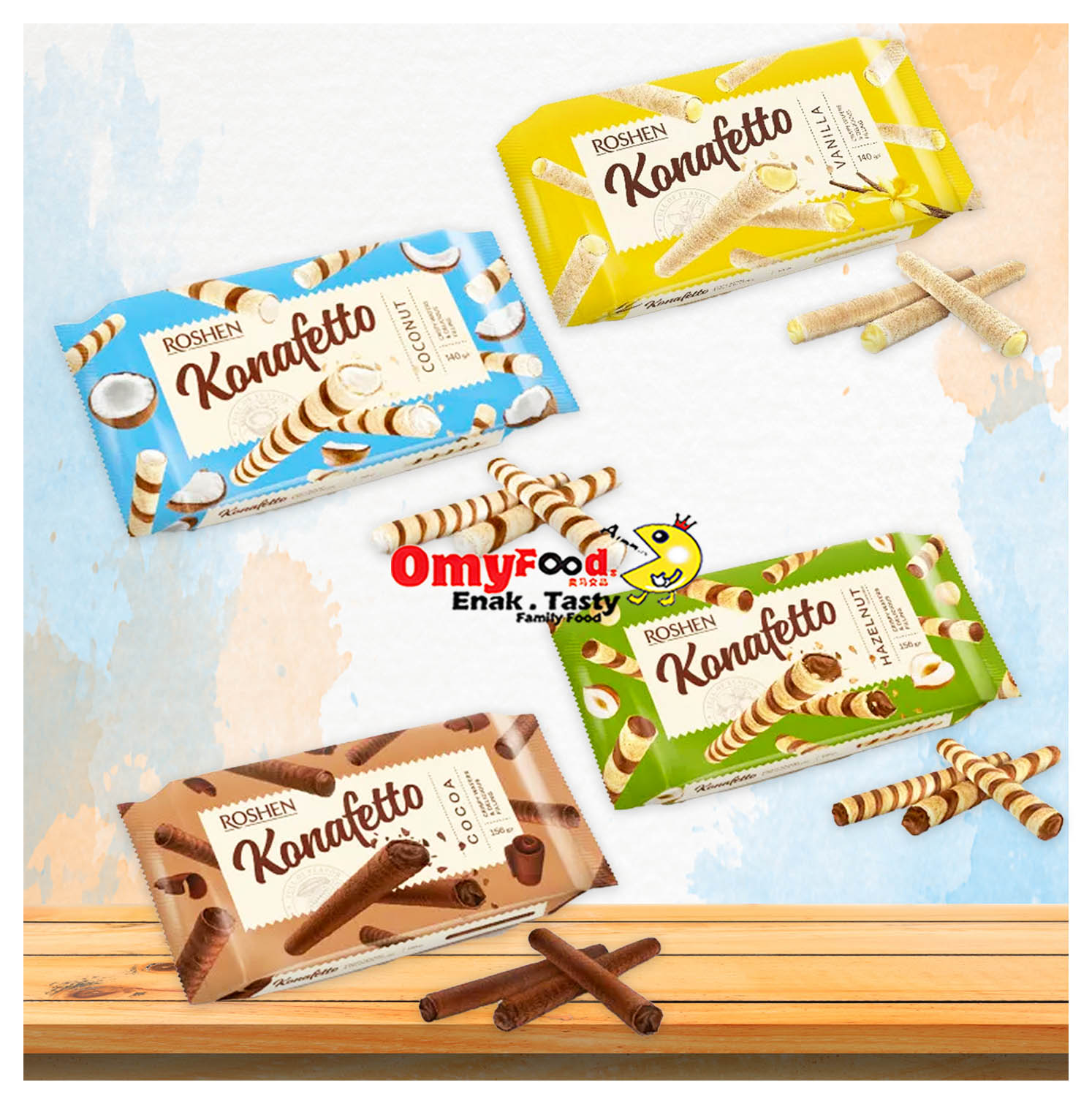
140g Roshen Konafetto Crispy Wafer & Delicious Filling [Hazelnut ...