Why “Hockey Games on Tonight” Can Lead to Misleading Image Shares — A Fact‑Check
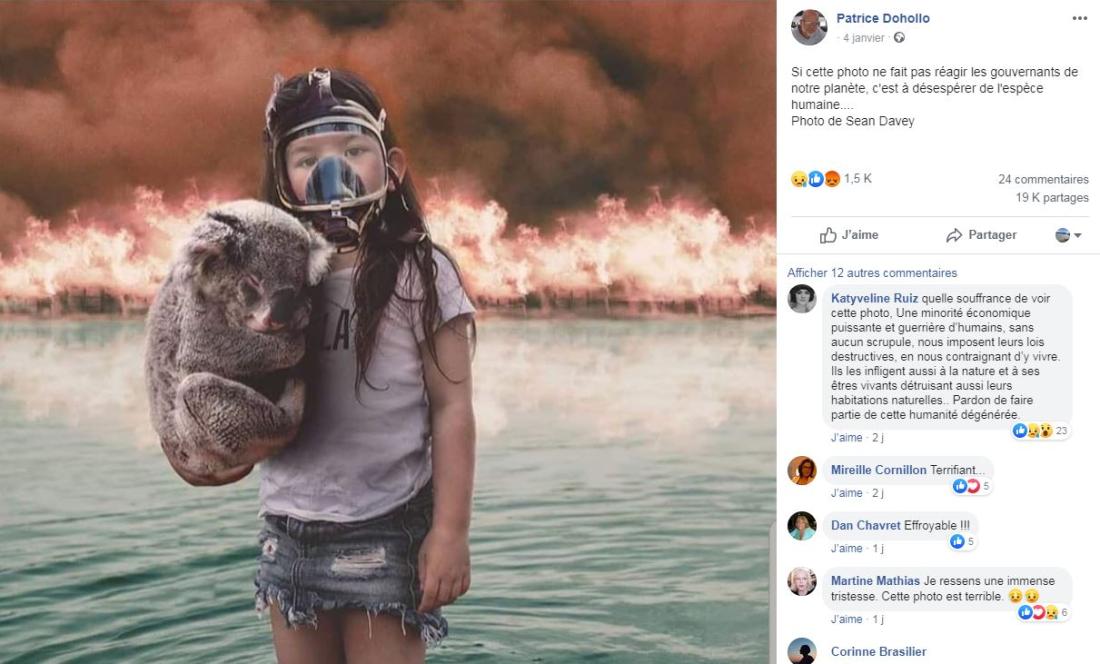
Every evening, fans of the NHL scan social feeds for the latest updates on hockey games on tonight, only to encounter a flood of striking images that have little to do with the puck. One viral picture shows a young girl clutching a koala amid a blaze in Australia—an image repeatedly paired with hockey headlines despite being unrelated. This mismatch illustrates a broader mistake: using eye‑catching visuals without checking their provenance, which can distort public perception of even the most routine sports coverage.
When a Photo Gets the Wrong Tag
Social platforms thrive on immediacy, and editors often rely on thumbnail‑sized images to boost click‑through rates. The picture in question, sourced from a fact‑checking archive, originally debunked a claim that a child was rescuing a koala from a wildfire. The caption read “Une fillette tenant un koala au milieu des flammes en Australie ? Non.” Yet when the image resurfaced alongside a tweet about hockey games on tonight, its original context vanished. The result is a visual that distracts readers from the actual sports story while perpetuating misinformation about the incident itself.
How Fact‑Checkers Spot the Slip
Professional fact‑checkers employ a three‑step workflow that can be adapted by any sports journalist:
- Reverse‑image search. By feeding the picture into tools such as Google Images or TinEye, researchers can trace its earliest appearance and determine whether it aligns with the story’s timeline.
- Metadata audit. Examining EXIF data reveals the original photographer, capture date, and geotags, proving that the blaze occurred in Queensland, not a rink in Toronto.
- Contextual cross‑checking. Comparing the image’s source article with the current headline uncovers discrepancies; a fire‑related piece cannot logically illustrate a hockey matchup.
When these steps are applied, the mismatched pairing is quickly exposed, allowing editors to either replace the image or add a clarifying note.
Best Practices for Verifying Visuals Before Sharing
To prevent future mix‑ups, media teams covering hockey games on tonight should embed verification into their workflow:
- Maintain a vetted image library. Curate a repository of licensed rink photos, player portraits, and game‑action shots that can be matched instantly to upcoming matchups.
- Adopt a “visual fact‑check” checklist. Include fields for source URL, date, and relevance before an image is approved for publication.
- Educate social‑media managers. Training sessions on reverse‑image techniques empower the staff who schedule posts to spot accidental misattributions.
By treating each graphic as a factual claim rather than a decorative element, outlets safeguard both journalistic integrity and audience trust.
Implications for the Hockey Community
Beyond the immediate annoyance of a misplaced image, the phenomenon signals a growing fatigue among fans: when visual noise eclipses reliable information, readers may disengage from otherwise reputable sources. For a sport that thrives on real‑time updates, any erosion of credibility can affect ticket sales, viewership, and sponsorships. Proactive fact‑checking, therefore, isn’t merely a newsroom concern—it’s a strategic advantage for the whole hockey ecosystem.
In an era where a single photo can travel across continents in seconds, the responsibility falls on each editor, producer, and fan to ensure that the images accompanying hockey games on tonight truly belong on the ice, not in an Australian fire.