Why the Nobel Prize Still Matters: Selection, Impact, and Modern Challenges
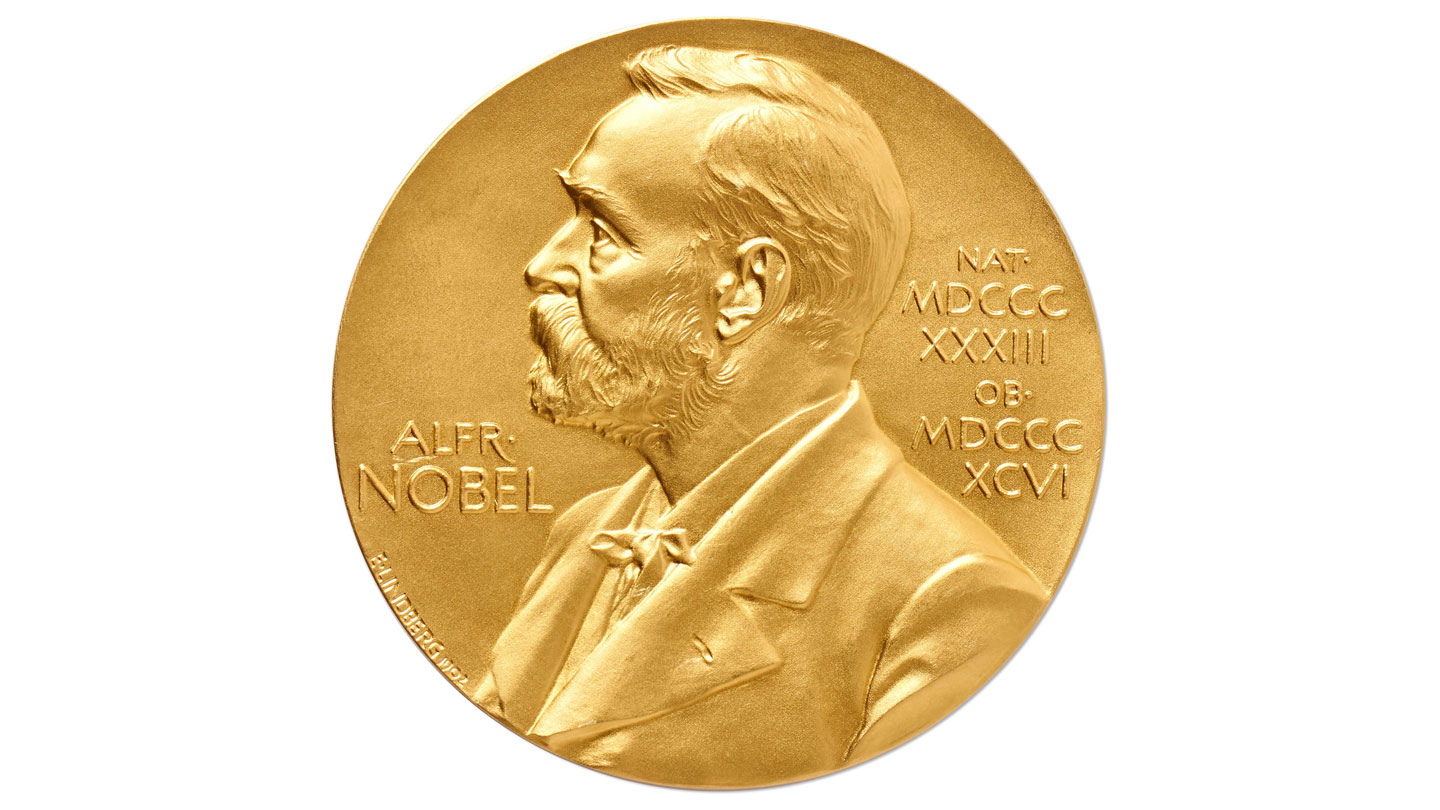
The Nobel Prize, founded in 1895 by Alfred Nobel, remains the world’s most prestigious acknowledgment of breakthroughs in physics, chemistry, medicine, literature, peace, and economics. Yet the award’s relevance is often questioned amid fast‑moving scientific frontiers and shifting societal values. Understanding how laureates are selected, where the prize drives real‑world change, and which criteria are most decisive helps scholars, policymakers, and innovators navigate the complex landscape of elite recognition.
Context: The Nobel Legacy in a Rapidly Evolving World
When Alfred Nobel stipulated that his fortune should fund annual prizes, he envisioned a mechanism that would “reward those who have conferred the greatest benefit to humankind.” Today, the prize’s 110‑year history spans two world wars, the rise of digital technology, and a growing emphasis on interdisciplinary research. The Nobel committees—appointed by Swedish and Norwegian academies—still operate under the original statutes, yet they must interpret them in light of contemporary scientific practice.
Use Cases: How the Nobel Prize Influences Research and Policy
Winning a Nobel can catalyze funding, shape research agendas, and accelerate policy adoption. For instance, the 2022 Nobel in Chemistry for CRISPR gene‑editing sparked a surge in grant allocations from both public agencies and venture capital, translating laboratory discoveries into clinical trials within months. In the peace arena, laureates often gain diplomatic leverage, allowing them to convene negotiations that might otherwise stall. These tangible outcomes illustrate why the award remains a strategic lever for advancing global priorities.
Selection Criteria: What Sets Nobel Winners Apart
Three core criteria guide the committees:
- Originality: The work must introduce a fundamentally new concept or method, not merely extend existing knowledge.
- Impact: The discovery or contribution should have demonstrable benefits, such as improved health outcomes, technological breakthroughs, or lasting peace.
- Longevity: The achievement needs to stand the test of time; committees often wait several years to assess whether the work continues to influence its field.
These criteria intersect with practical considerations. A breakthrough in renewable energy, for example, must show both scientific novelty and a clear pathway to reducing carbon emissions before it meets the impact threshold.
Scenarios: When the Nobel Choice Sparks Debate
Controversy arises when the prize appears to overlook deserving candidates or when laureates’ later actions conflict with Nobel ideals. The 2021 physics award to researchers in quantum computing raised eyebrows because the technology’s commercial applications were still nascent. Critics argued that the prize’s focus on “future promise” risked diluting its historic emphasis on proven impact. Such debates encourage transparency and invite the scientific community to propose refinements to the selection process.
Implications for Emerging Innovators
For early‑career scientists and entrepreneurs, the Nobel model offers a benchmark for excellence. Emulating the award’s emphasis on originality, impact, and durability can guide project design, grant writing, and partnership building. Moreover, tracking Nobel trends—such as the increasing recognition of interdisciplinary work—helps organizations anticipate which research domains will attract attention and resources in the coming years.
Conclusion: Balancing Tradition and Adaptation
The Nobel Prize endures because it balances an unwavering commitment to recognize transformative contributions with a capacity to adapt to new scientific paradigms. While the award’s statutes remain rooted in early‑20th‑century language, its application today reflects a dynamic dialogue between heritage and innovation. By scrutinizing selection criteria, understanding the prize’s real‑world effects, and acknowledging the debates it provokes, stakeholders can better leverage the Nobel’s prestige to drive meaningful progress.