National Weather Service Radar for Saturday: What Buyers Need to Know
The National Weather Service operates a nationwide radar network that continuously scans the atmosphere for precipitation, wind, and storm structures, updating every few minutes. On Saturdays, this data helps communities anticipate weather shifts that can affect outdoor plans, travel, and weekend projects, making it a practical tool for anyone who needs to make timely, cost‑saving decisions.
How the Radar Generates Saturday Images
The NWS radar emits short pulses of energy that bounce off raindrops, snowflakes, or hail and return to the antenna. By measuring the time and strength of the return signal, the system builds a three‑dimensional picture of what is falling where. Because the radar runs 24 hours a day, the Saturday view is simply the same stream of observations filtered for that day’s date, giving forecasters and the public a real‑time snapshot of evolving conditions.
Why Saturday Coverage Matters for Value‑Focused Buyers
Weekend shoppers often schedule home‑improvement trips, garden work, or outdoor events based on the forecast. Radar‑based updates show where rain is developing, how intense it is, and whether it is moving toward a specific area. When a buyer sees a cell approaching a hardware store parking lot, they can decide to delay a purchase of lumber or paint, avoiding wasted trips and potential damage to materials. This immediate feedback turns abstract forecasts into concrete, money‑saving actions.
Practical Ways to Use the Radar Data
- Timing purchases: Check the radar before heading to a store; if precipitation is moving in, wait for a clearer window to reduce exposure of goods to moisture.
- Protecting deliveries: For items scheduled to arrive Saturday, review the radar to see if a storm could delay trucking; adjust delivery expectations accordingly.
- Planning outdoor work: Contractors can schedule concrete pours or roofing tasks when radar shows a dry slot, lowering the risk of rework due to water damage.
- Event safety: Organizers of Saturday markets or fairs can monitor radar for approaching thunderstorms and activate shelter plans early.
Understanding the Limits
Radar cannot see light drizzle or very low‑intensity snow unless the drops are large enough to reflect the beam. Ground clutter—returns from buildings, hills, or towers—can sometimes be mistaken for precipitation, though automated filters reduce this issue. The system also updates every five to ten minutes, so very fast‑changing situations may evolve between scans. Users should pair radar observations with local forecasts and, when safety is critical, heed any watches or warnings issued by the NWS.
Turning Radar Insight into Smarter Spending
For the value‑oriented buyer, the radar is less about spectacle and more about reducing avoidable expense. By aligning purchase trips, deliveries, or work schedules with the periods the radar shows clear air, buyers cut down on wasted fuel, prevent moisture‑related damage, and keep projects on schedule. The technology itself is free and publicly accessible; the real advantage comes from interpreting the moving patterns and acting on them before the weather decides otherwise. This approach turns a routine weekend outing into a calculated step toward better budget management.
Dl Cheap Pvc Pipe Astm Schedule 60 Pvc Pipe For Plumbing - Buy Dl Cheap
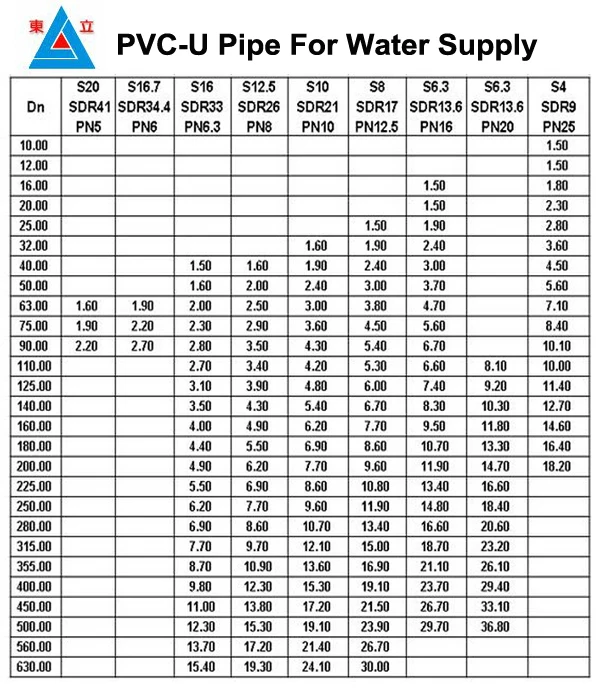
Dl Cheap Pvc Pipe Astm Schedule 60 Pvc Pipe For Plumbing - Buy Dl Cheap ...