Choosing the Right Radar for Chicago, Illinois: A Practical Guide
Chicago’s skyline is crisscrossed by a dense web of air‑traffic routes, weather monitoring stations, and increasingly, urban‑wide security networks—all of which rely on radar technology. For businesses, municipalities, and hobbyists in the Windy City, selecting a radar system that matches local regulatory limits, performance expectations, and budget constraints has become a strategic decision. This guide breaks down the key considerations, outlines the most common radar types in use around Chicago, and points out emerging trends that could shape future deployments.
Why radar matters in the Chicago environment
Chicago sits on the western shore of Lake Michigan, a region notorious for rapid weather shifts and a high volume of commercial flights. The National Weather Service operates a NEXRAD Doppler radar just north of the city, providing the granularity needed for tornado warnings and lake‑effect snow forecasts. Simultaneously, the FAA’s Chicago Area Consolidated Traffic Management (ATCT) center uses secondary surveillance radar (SSR) and multi‑layer surveillance to coordinate thousands of daily aircraft movements.
Beyond aviation and meteorology, Chicago police and private security firms have begun integrating short‑range microwave radar into perimeter‑monitoring solutions. The sensors can detect objects as small as a backpack at distances of 50 meters, giving operators a reliable supplement to video cameras in low‑light conditions.
Core radar categories and what fits Chicago’s needs
Air‑traffic and weather surveillance (long‑range, high‑power)
- Primary surveillance radar (PSR): Emits a pulse and listens for reflections; useful for tracking aircraft without transponders, but limited by urban clutter.
- Doppler weather radar (e.g., NEXRAD): Operates in the S‑band (2‑4 GHz) to penetrate heavy precipitation, delivering updates every 5 minutes.
- Mode S SSR: Provides selective interrogation of transponder‑equipped aircraft, delivering precise altitude and identification data.
Short‑range security and traffic monitoring (mid‑range, low‑power)
- Frequency‑modulated continuous‑wave (FMCW) radar: Compact, low‑cost units that can be mounted on streetlights to detect vehicle speed and pedestrian movement.
- Millimeter‑wave (mmWave) radar: Operating at 77 GHz, these sensors offer fine resolution for detecting small objects, ideal for perimeter protection around warehouses.
Hobbyist and research platforms (portable, modular)
- Software‑defined radio (SDR) kits: Allow enthusiasts to experiment with radar signal processing, using open‑source libraries to analyze reflections from nearby structures.
- Ultrasonic ranging modules: Though not true radar, they provide a low‑budget entry point for indoor motion detection trials.
Decision checklist: factors to weigh before buying
- Frequency allocation and FCC compliance: Chicago’s dense RF environment means you must verify that the chosen band (e.g., 2.4 GHz ISM, 5.8 GHz, or 24 GHz) does not interfere with existing services.
- Range and resolution requirements: For city‑wide traffic monitoring, a 300‑meter range with 1‑meter resolution might suffice; perimeter security often demands sub‑meter resolution at 100 meters.
- Integration capabilities: Check whether the radar can stream data to common platforms (e.g., NVR systems, GIS dashboards, or cloud analytics services).
- Environmental robustness: Chicago winters can drop below –20 °C; select units rated for –30 °C or lower and withIngress Protection (IP) ratings of at least IP66.
- Cost of ownership: Initial hardware costs may be modest, but factor in licensing, calibration, and ongoing maintenance.
- Support and upgrade path: Vendors offering firmware updates and technical assistance can extend the useful life of the system as regulatory rules evolve.
Emerging trends that could influence future radar deployments
One notable development is the rollout of 5G millimeter‑wave infrastructure across downtown Chicago. The dense network of small cells creates both opportunities and challenges for radar operators: higher frequencies enable finer resolution, yet they also increase the risk of mutual interference. Meanwhile, the city’s “Smart Streets” initiative is piloting AI‑driven analytics that fuse radar data with video feeds to predict traffic congestion before bottlenecks form.
On the policy side, the Illinois Department of Transportation is reviewing standards for roadside radar to ensure consistency with national safety guidelines. Stakeholders are encouraged to stay abreast of any changes that might affect calibration intervals or permissible emission levels.
Bottom line for Chicago decision‑makers
Choosing the right radar in Chicago is less about finding a one‑size‑fits‑all product and more about aligning technical specifications with the city’s unique atmospheric, regulatory, and operational landscape. By mapping your exact use case—whether it’s tracking aircraft, monitoring weather, securing a facility, or managing traffic—against the checklist above, you can narrow the field to solutions that deliver reliable performance without unnecessary expense. Keeping an eye on emerging 5G‑related interference and upcoming state guidelines will help ensure that today’s investment remains viable for years to come.
Túneles De Congelación En Línea Y Espiral - Mhrefrigeracion.es
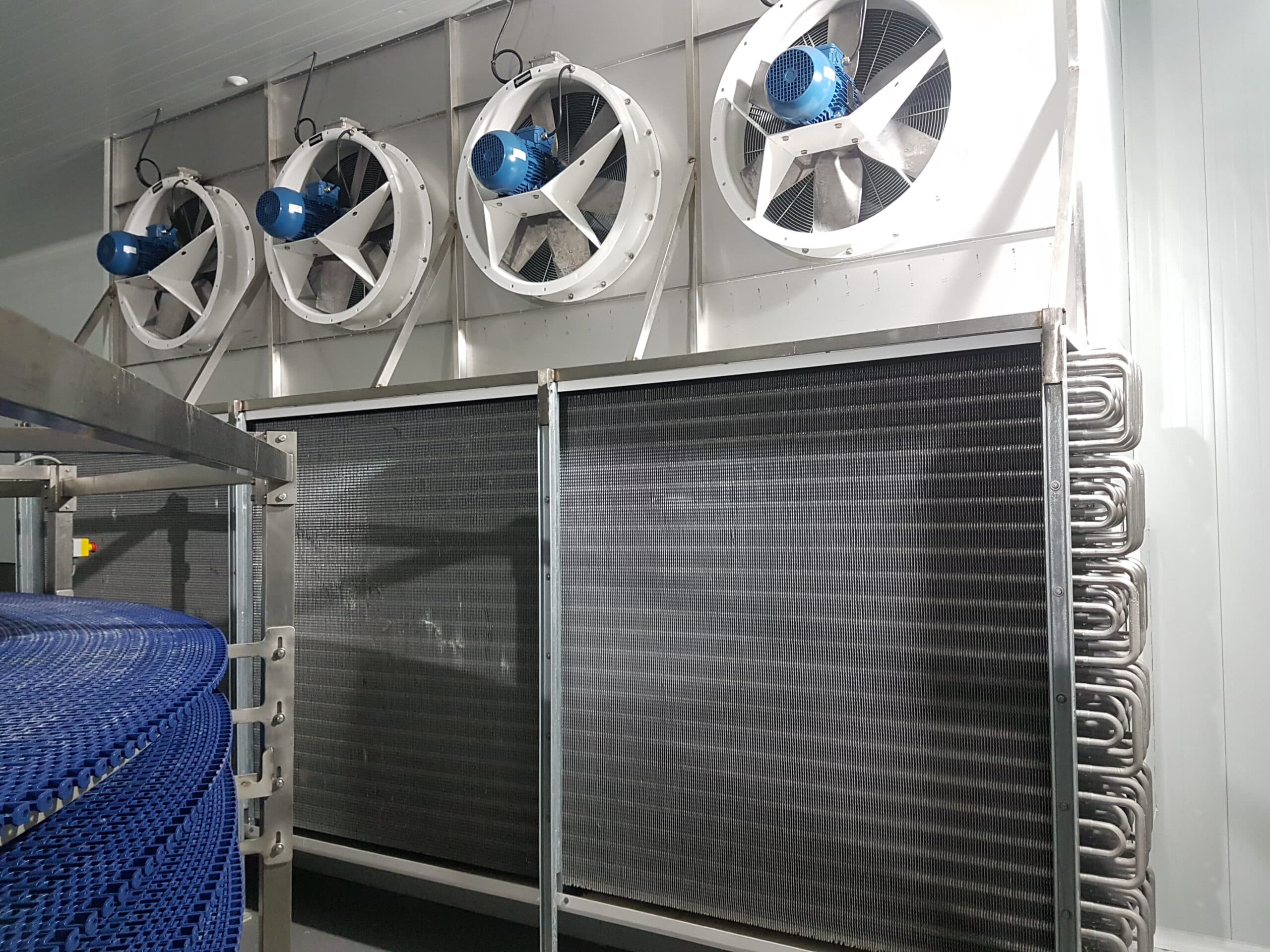
Túneles de congelación en línea y espiral - mhrefrigeracion.es