Understanding SL vs IND Under 19 in Youth Sports Regulations
When comparing SL vs IND under 19 in youth sports, the distinction often hinges on whether players are registered under a sports league (SL) or as independent athletes (IND). This classification affects eligibility, competition rules, and developmental pathways, making it a critical consideration for coaches, parents, and young athletes navigating competitive environments.
Why the SL vs IND Classification Matters
Sports leagues typically impose structured rules on age groups, training schedules, and participation limits, which can either support or restrict a player’s development. Independent athletes, on the other hand, often have more flexibility in choosing competitions but may face stricter eligibility requirements for certain tournaments. The under-19 category adds another layer of complexity, as it bridges youth and senior-level play, requiring clear guidelines to balance fairness and opportunity.
For example, a player registered under a league might benefit from organized training sessions and scouting opportunities, while an independent athlete could prioritize exposure in selective showcases. The trade-offs between structure and autonomy shape how families and coaches approach long-term athlete development.
Key Differences in Eligibility and Participation
League-affiliated players under 19 usually adhere to roster limits, age verification protocols, and mandatory rest periods between matches. Independent athletes, however, may enter multiple competitions without roster constraints but must often prove their standing through performance metrics or invitations. This can lead to disparities in experience levels, as league players gain consistent game time, while independent athletes might rely on sporadic high-stakes events.
Another critical factor is the role of governing bodies. Many leagues align with national federations, which enforce standardized rules for under-19 categories. Independent athletes, unless affiliated with a recognized academy or club, may need to navigate additional paperwork or certifications to compete in regulated events. The absence of a league affiliation can limit access to certain tournaments, particularly those reserved for club-based teams.
How Development Paths Diverge
For athletes aiming to progress to higher levels, the choice between SL and IND pathways can influence their trajectory. League-based systems often provide clearer pathways to collegiate or professional scouting, thanks to structured tryouts and performance tracking. Independent athletes, while not bound by league schedules, must proactively seek exposure through camps, combines, or social media to attract attention from recruiters.
Consider a scenario where two under-19 players have similar skill levels. The league player might secure a spot in a regional tournament through their club, while the independent athlete competes in a national showcase after submitting highlight reels. Both routes require strategic planning, but the resources available—coaching staff, facilities, financial support—often tilt the scales in favor of league-affiliated players.

Practical Steps for Athletes and Families
If you’re weighing the SL vs IND under 19 decision, start by assessing your athlete’s goals and current support system. League registration may suit those seeking consistent competition and developmental resources, while independence could appeal to self-driven athletes with access to private coaching or specialized training. Research local leagues’ reputations, travel commitments, and costs before committing.
For independent athletes, focus on building a portfolio of achievements—tournament results, skill videos, and coach recommendations—to compensate for the lack of league affiliation. Networking with scouts and attending open tryouts can bridge gaps in visibility. Meanwhile, league players should leverage their team’s resources to maximize exposure, whether through league-hosted showcases or scouted matches.
The under-19 stage is pivotal, but the path forward depends on aligning an athlete’s strengths with the right competitive structure. Whether through a league or independent route, the goal remains the same: to develop skills, gain experience, and position for future opportunities.
PPT - RISK ASSESSMENT PowerPoint Presentation, Free Download - ID:3768247
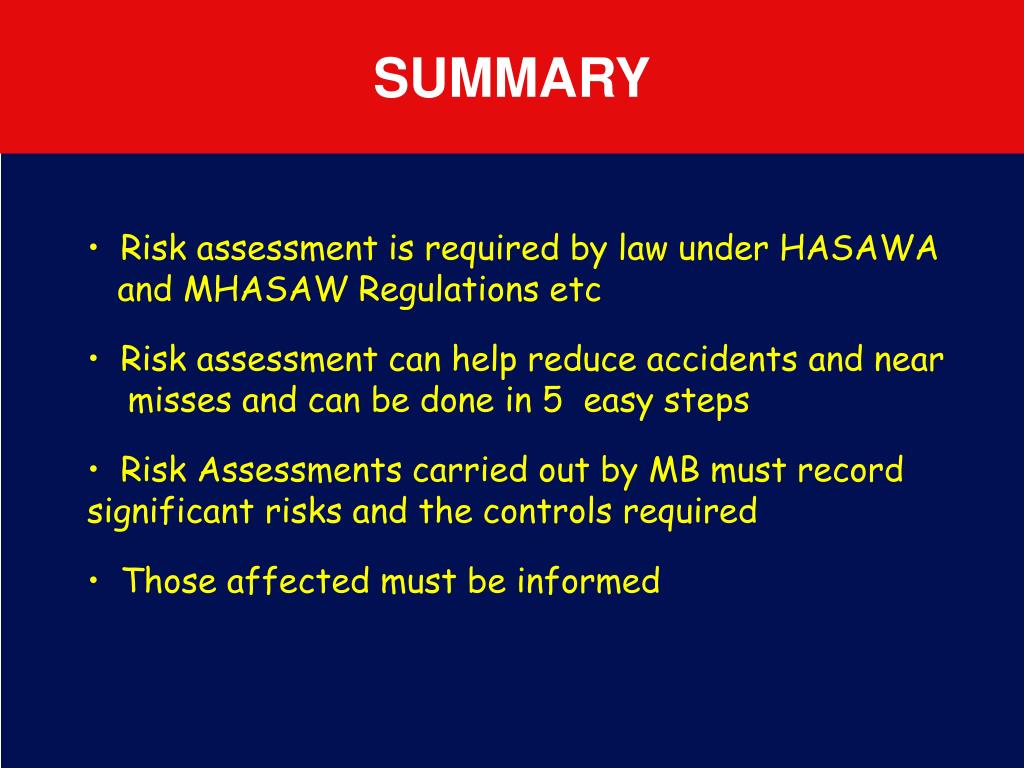
risk assessment ppt powerpoint presentation summary
PPT - Topic 2 - Safe Working Practices PowerPoint Presentation, Free

act health 1974 practices safe
PPT - ADMINITRATION PowerPoint Presentation, Free Download - ID:2362579

employer ppt powerpoint presentation provide
PPT - RISK ASSESSMENT PowerPoint Presentation, Free Download - ID:5688226

risk assessment why assess