Choosing the Right Platform: sl vs sa live stream for Busy Users
When a deadline looms and you need to broadcast a meeting, a game, or a fundraiser, the choice between sl vs sa live stream can feel like a gamble. Both services promise low latency and broad reach, but they differ in pricing models, device compatibility, and support options—details that matter most to a practical reader who can’t waste time sorting through endless feature lists.
If you’re racing to launch a corporate webinar
Corporate presenters often need a platform that integrates seamlessly with calendar apps and offers simple screen‑sharing. sl typically provides native Outlook and Google Calendar plugins, letting you schedule a stream with a single click. In contrast, sa focuses on a browser‑only workflow that avoids client downloads, which can be a relief for attendees on restricted networks.
- Setup time: sl – 5 minutes with plugin; sa – 3 minutes via web link.
- Security: sl offers SSO and encrypted token access; sa relies on password‑protected rooms.
- Audience interaction: sl includes built‑in polling; sa requires third‑party add‑ons.
For a boardroom presentation where data protection is non‑negotiable, sl’s tighter integration may outweigh the extra minutes spent installing the plugin.
If you’re streaming a live sports match to fans worldwide
Sports streams demand sub‑second latency and the ability to handle sudden spikes in viewership. sa advertises a “ultra‑low‑latency” mode that pushes frames at 0.5‑second intervals, while sl caps at 1.2 seconds but compensates with adaptive bitrate technology that keeps the picture smooth on slower connections.
- Scalability: sa leverages a distributed CDN that auto‑scales; sl relies on regional edge servers that may need manual scaling.
- Device reach: sa supports smart‑TV apps out of the box; sl’s mobile SDK covers iOS, Android, and WearOS.
- Monetization: sl includes built‑in ad‑insertion; sa offers a pay‑per‑view checkout flow.
When you expect a surge of viewers from different continents, sa’s automatic CDN scaling can prevent buffering, but if you want ad revenue and a polished mobile experience, sl’s ecosystem might serve you better.
If you’re an indie creator on a shoestring budget
Freelance video makers often juggle equipment costs, software licenses, and platform fees. sa provides a free tier with up to 2 hours of streaming per month, making it attractive for occasional podcasts or art demos. sl’s free tier limits you to 30 minutes per stream but includes watermark‑free video, which can preserve a professional look.
- Cost per hour: sa – free up to 2 h, then $0.10/min; sl – $0.08/min after the free window.
- Branding: sa adds a small logo on free streams; sl offers clean output.
- Support: sa’s community forums are active; sl provides email support even for free accounts.
Choose sa if you need occasional, no‑cost streams and can tolerate a modest logo. Opt for sl when brand polish matters more than a few extra minutes of free airtime.
When technical support and reliability are non‑negotiable
Unexpected outages can damage credibility. sl operates a 24/7 NOC (Network Operations Center) that monitors stream health and can intervene within 10 minutes. sa’s support model is tiered: free users get a knowledge base, while paid plans receive chat assistance with a typical response time of 30 minutes.
For mission‑critical events—like a product launch that hinges on live demo—sl’s proactive monitoring offers peace of mind. For community‑driven events where a short hiccup is acceptable, sa’s lower‑cost support may suffice.
Bottom line: match the platform to your scenario
Neither sl nor sa is universally superior; the right choice hinges on three practical questions:
- Do you need enterprise‑grade security and integration? → sl.
- Is ultra‑low latency and automatic scaling a priority? → sa.
- Are you constrained by budget and can tolerate a small watermark? → sa’s free tier; otherwise, sl for a clean look.
By aligning these criteria with the nature of your broadcast—whether it’s a corporate briefing, a global sports feed, or a hobbyist showcase—you can decide quickly and avoid the common pitfall of over‑engineering your live‑stream setup.
Oranjevereniging Harfsen Kring Van Dorth
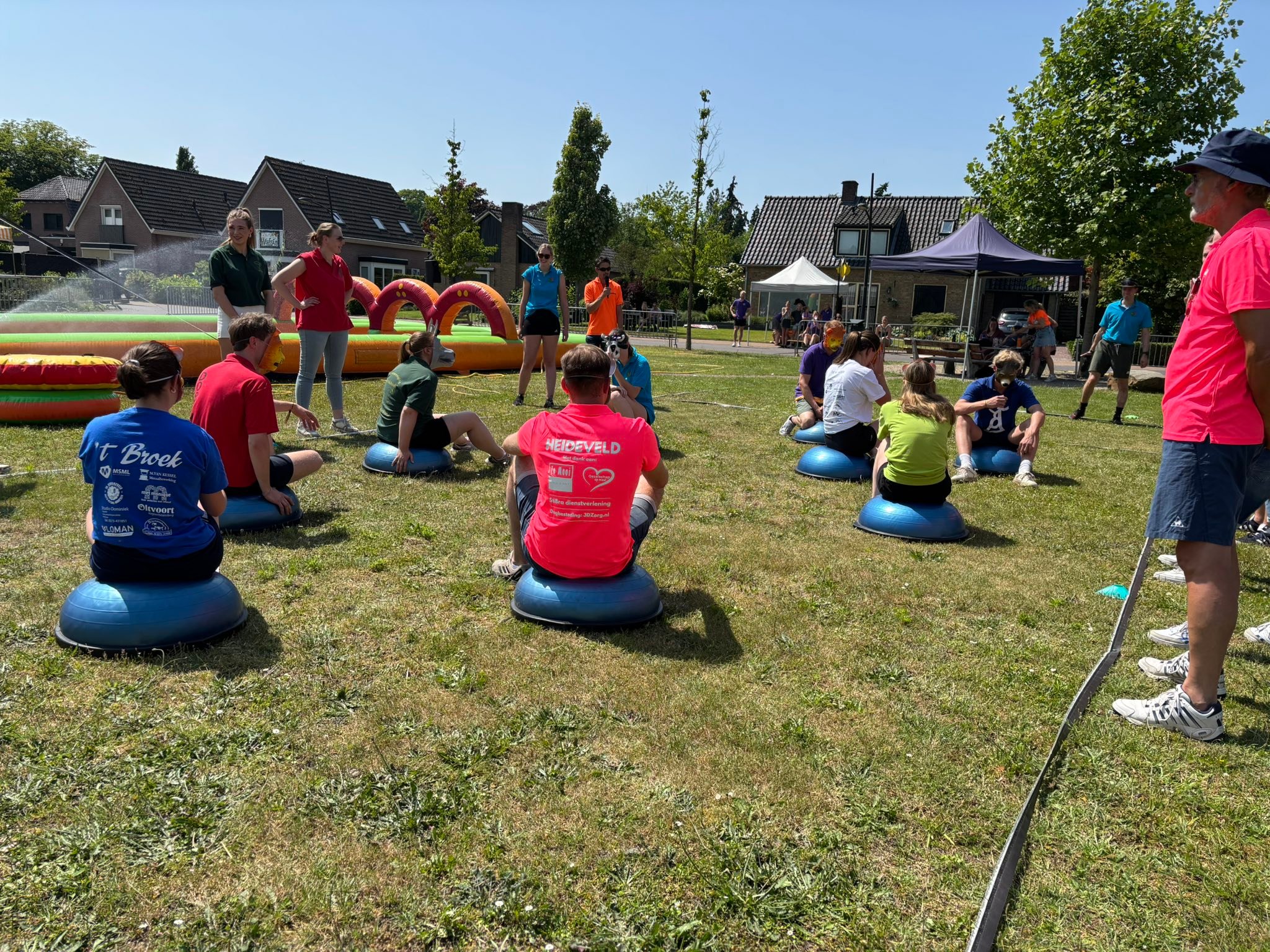
Oranjevereniging Harfsen Kring van Dorth