sl vs scotland statistics: Insights from the Kingdom of Benin
The phrase sl vs scotland statistics may not yield a ready dataset, but examining how historical societies recorded and compared their own metrics can shed light on the challenges of measuring any two groups side‑by‑side. The Kingdom of Benin, famed for its intricate bronze works and organized trade networks, offers a concrete example of a culture that left behind quantifiable traces—such as craft output and tribute records—that historians use to compare periods and regions.
Context
Located in what is now southern Nigeria, the Kingdom of Benin rose to prominence around the 13th century and remained influential until the late 1800s. Its administration kept track of labor allocations, metal production, and foreign exchange, creating informal statistics that modern scholars interpret to gauge economic strength and social hierarchy. These records, though not standardized like modern surveys, provide a basis for comparing one era with another—or one polity with a neighboring state.
Details
Archaeologists have counted the number of bronze plaques produced in specific workshops, noting peaks that coincide with periods of intensified maritime trade with Portuguese merchants. Likewise, oral histories preserved in royal chronicles mention the volume of goods exchanged for salt, cloth, and firearms. By converting these qualitative mentions into approximate figures—such as “hundreds of plaques per decade” or “annual tribute of X bags of cowrie shells”—researchers can build rough comparative tables. This approach mirrors how analysts today might adjust sl vs scotland statistics for population size or economic activity when direct numbers are lacking.
Implications
Studying Benin’s informal metrics highlights two lessons for any comparative exercise. First, consistency in what is measured matters more than the absolute precision of each figure; Benin’s records focused on craft output and tribute because those were the levers of power. Second, gaps in data can be filled by triangulating multiple sources—artifacts, texts, and trade logs—to reach a plausible range rather than a single exact number. Applying similar rigor to sl vs scotland statistics would involve identifying comparable indicators (e.g., employment rates, educational attainment, health outcomes) and acknowledging where estimates must be modeled rather than taken directly from official releases.
Ultimately, while the specific sl vs scotland statistics remain elusive, the methodological steps used by historians of Benin—defining relevant variables, collecting proxy evidence, and transparent aggregation—offer a practical framework for producing meaningful comparisons even when primary data are sparse.
Images Gratuites : L'Europe , Afrique, Muscle, Festival, Espagne

Images Gratuites : L'Europe , Afrique, muscle, Festival, Espagne ...
Introduction To The Kingdom Of Benin - BBC Bitesize
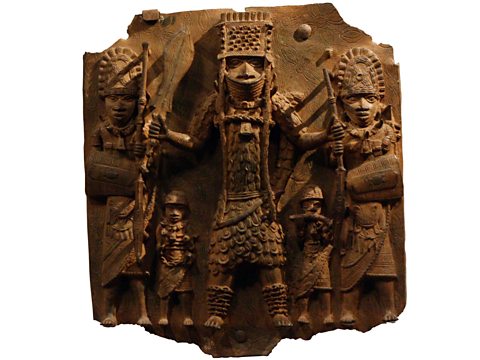
Introduction to the kingdom of Benin - BBC Bitesize
Los Pueblos Precolombinos : GEOHISTORIA. Apuntes Historia, Ciencias

Los pueblos precolombinos : GEOHISTORIA. Apuntes Historia, Ciencias ...
Introduction To The Kingdom Of Benin - BBC Bitesize
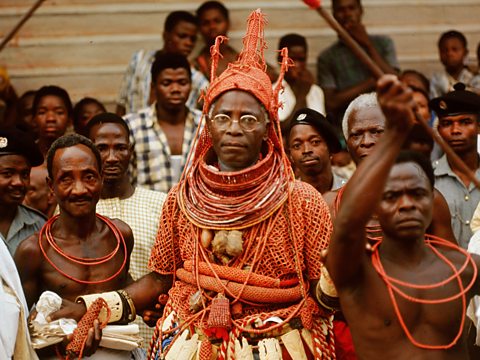
Introduction to the kingdom of Benin - BBC Bitesize
West Africa And The Role Of Slavery · US History

West Africa and the Role of Slavery · US History