Building a Dynasty: The Evolution of Tampa Bay Ice Hockey
When you trace the modern trajectory of Tampa Bay ice hockey, you are not just following a franchise; you are mapping the blueprint of a sustainable contender in a non-traditional market. The Lightning have shed their underdog skin to become a measuring stick for franchise construction, leveraging homegrown talent and tactical discipline to forge a decade of dominance that includes back-to-back Stanley Cup victories and three finals appearances in four years.
How Did a Sunbelt Market Sustain a Contender?
The mathematics of salary cap hockey in Florida used to lean heavily on weather-driven tax advantages to lure free agents. While the lack of state income tax remains a pitch, the actual engine of Tampa Bay ice hockey is draft-and-develop patience. The front office identified core pieces like Brayden Point and Nikita Kucherov well outside the spotlight of early first-round picks, investing years of minor-league seasoning before vaulting them into superstar roles.
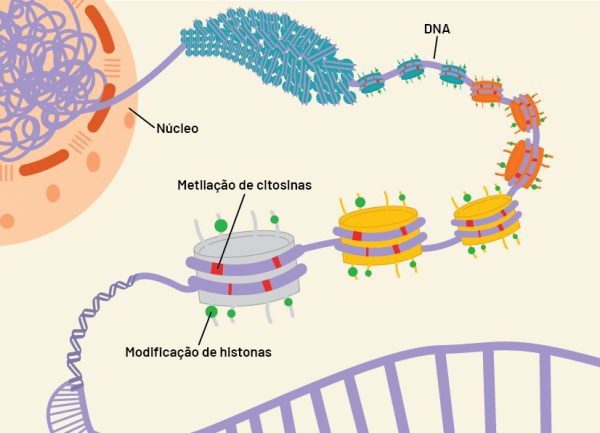
For the experienced hobbyist analyzing roster construction, this approach mirrors principles of long-term adaptation—much like epigenetic shifts, where environmental pressures trigger a fundamental change in how an organism expresses its traits.
What Keeps the Core Intact Under Cap Pressure?
Winning breeds a painful byproduct: expensive contracts. The Lightning faced the inevitable consequence of success when they had to trade key depth players to remain cap-compliant. Yet, they avoided total collapse by maintaining a fiercely loyal core. Veterans routinely accepted discounted, lengthy extensions to remain in the room.
The actionable takeaway here for armchair general managers is to recognize the limits of top-heavy roster building. Tampa’s survival hinged on an internal pipeline that consistently supplied bottom-six forwards who could step into the immediate heat of playoff hockey without system disruption. When postseason minutes compress, unproven depth is exposed; systematic development is the only real shield.
Where Do Tactical Adjustments Happen First?
Look closely at the blue line to understand Tampa’s reactive mechanics. Modern hockey demands defensive units capable of transitioning the puck instantly, neutralizing aggressive forechecks. The Lightning moved seamlessly from a heavily structured, shot-blocking defensive zone to a fluid, puck-possession transition game. This wasn't merely a coaching preference; it was a direct adaptation to the speed of younger, faster divisional rivals.
Notice how their defensive prospects are groomed in the AHL to read the ice vertically rather than merely horizontally. By the time they step onto Amalie Arena ice, breaking out against a heavy neutral-zone trap feels rehearsed rather than reactive.
Is the Blueprint Fading or Evolving?
Every dynasty faces the fatigue of deep playoff runs and the gradual creeping of age on veteran legs. The question surrounding the current iteration is not about past glory, but about regeneration speed. Can the next wave of prospects replicate the chemistry of their predecessors, or does the team pivot to a different structural philosophy?
Watch for two specific indicators next season: penalty kill efficiency and secondary scoring variance. If the pipeline holds, these metrics will stabilize. If they falter under the weight of accrued mileage, the franchise may need another profound tactical epigenesis to remain at the league's vanguard.
Epigenética: Herança Além Dos Genes - Ciência HojeCiência Hoje
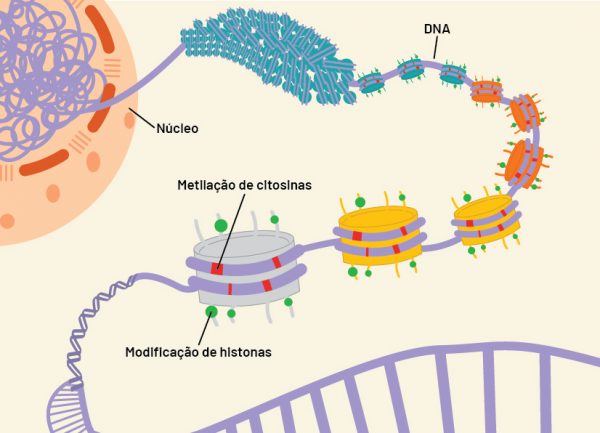
Epigenética: herança além dos genes - Ciência HojeCiência Hoje