Tina from Tulsa King and the Villanueva II Wind Park: A Look at Renewable Progress
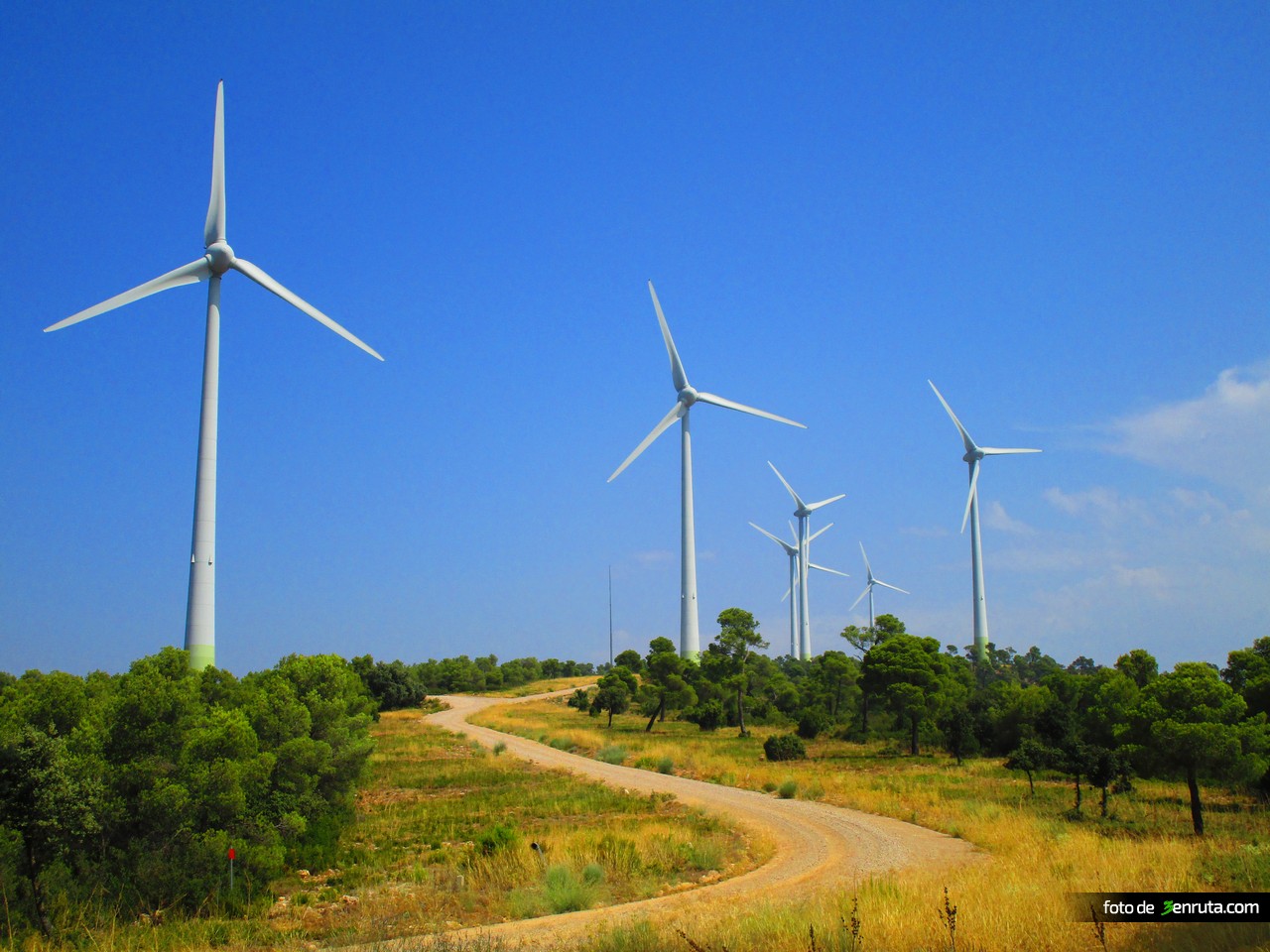
Just as Tina from Tulsa King shows steady determination amid shifting circumstances, the Villanueva II wind park illustrates how persistent investment in clean energy can reshape a region’s power landscape. The photo of the wind farm, taken by 3enruta.com, offers a visual cue that renewable projects, like well‑written characters, rely on consistency and clear purpose to deliver results.
Context: The Villanueva II Wind Park
The installation belongs to a growing cluster of wind farms in Spain that aim to diversify electricity generation beyond fossil fuels. While the exact capacity is not disclosed in the available data, the layout visible in the image shows multiple turbines spaced across open terrain—a common design meant to capture steady wind flows while minimizing wake interference. Such projects are typically integrated into the national grid, helping to meet renewable targets set by European policy frameworks.
Details: Technology and Output
Modern onshore wind turbines like those likely present at Villanueva II convert kinetic wind energy into electricity through blade rotation driving a generator. Advances in blade aerodynamics and direct‑drive systems have improved efficiency, allowing newer installations to produce more power per unit of wind speed compared with older models. The park’s contribution to the regional supply varies with seasonal wind patterns, but over a full year it can offset a measurable amount of carbon‑intensive generation, supporting Spain’s broader decarbonization goals.
Implications for Local Communities
Wind farms bring both opportunities and considerations for nearby residents. On the upside, they can create short‑term construction jobs and longer‑term positions for operations and maintenance, while also providing lease income to landowners. On the other hand, some communities express concerns about visual impact, noise, and effects on local wildlife. Developers often address these points through careful siting, turbine shutdown protocols during high‑sensitivity periods, and community benefit agreements that fund local infrastructure or environmental programs.
Trade‑offs and Realistic Expectations
Evaluating a wind project involves balancing its clean‑energy benefits against intermittent generation and grid integration challenges. Unlike baseload plants, wind output fluctuates, requiring complementary resources such as storage, demand‑response, or flexible generation to maintain reliability. Prospective buyers or investors should therefore view Villanueva II as part of a diversified portfolio rather than a standalone solution, recognizing that its value lies in reducing overall emissions and hedging against fuel price volatility when paired with a balanced mix of assets.