Healthy Eating Activities for Kids: Practical Ideas for Parents
Helping children develop a love for nutritious foods doesn’t have to be a battle of wills. Simple, play‑based activities can turn the kitchen into a learning lab, encouraging kids to explore flavors, textures, and the benefits of a balanced diet while having fun.
How can everyday meals become a learning adventure?
When children participate in meal prep, they see where food comes from and why certain choices matter. A quick “rainbow plate” game—where kids aim to include a red, orange, yellow, green, and purple item on their plate—makes color‑coding a visual cue for nutrient variety. The effort of arranging the colors reinforces the concept that eating a range of foods supports growth and energy.
What hands‑on projects spark curiosity about nutrition?
Interactive projects keep the topic fresh:
- Build‑a‑smoothie station: Provide a selection of fresh fruit, leafy greens, and dairy or plant‑based milks. Kids can experiment with combinations, learning that dairy adds calcium while fruit supplies vitamins.
- Veggie stamps: Cut broccoli florets or cucumber slices in half, dip them in natural food coloring, and press onto toast. The tactile experience ties the shape of the vegetable to its taste.
- Food‑group scavenger hunt: Hide cards representing proteins, grains, dairy, and produce around the kitchen. Children locate the cards and match them to corresponding items in the pantry.
Why does visual storytelling matter?
Kids respond to stories as much as they do to facts. Create a short narrative where a character—perhaps a brave “Fruit Knight” or “Veggie Explorer”—needs particular foods to complete a quest. As the story unfolds, the child supplies the hero with the right ingredients, reinforcing the connection between choices and outcomes.
Where can parents find ready‑made resources?
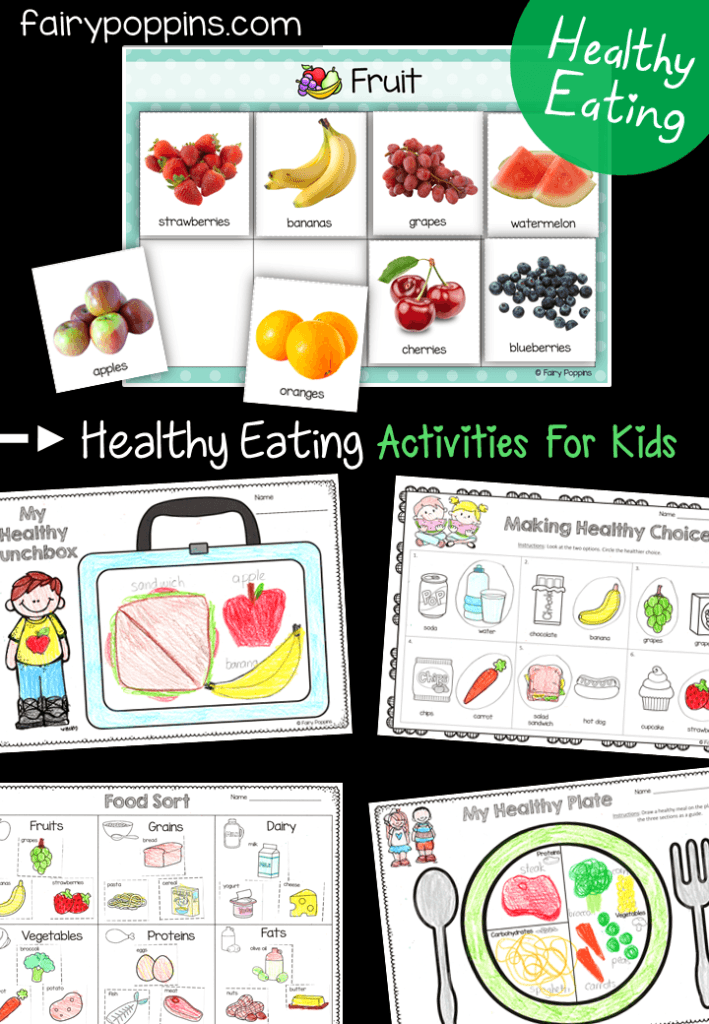
Many educational websites and printable worksheets offer themed activity sheets, such as “My Healthy Plate” coloring pages or “Superfood Bingo.” Public libraries often stock cookbooks tailored to young chefs, providing step‑by‑step recipes that require minimal supervision.
How does a nutritious activity routine fit into a busy family schedule?
Short, focused sessions—10 to 15 minutes after school—fit effortlessly into bedtime routines. For example, a quick “fruit‑of‑the‑day” tasting can become a nightly ritual, giving children a predictable moment to try something new without overwhelming them.
What role does the environment play in reinforcing good habits?
Visible cues in the kitchen guide choices. Keep a bright basket of pre‑washed berries on the counter, place whole‑grain crackers at eye level, and store sugary snacks out of sight. When healthy options are the most convenient, kids are more likely to reach for them.
How can parents measure progress without pressure?
Celebrate milestones—like trying a new vegetable or successfully creating a balanced plate—rather than focusing on quantity. A sticker chart that marks each positive step provides visual feedback and encourages continued participation.
What are the long‑term benefits of early nutrition education?
Children who learn to enjoy a variety of foods are less likely to develop picky‑eating habits later. Studies link early exposure to diverse flavors with better weight management, stronger immune function, and improved academic performance due to stable energy levels.
By weaving these practical activities into everyday life, parents transform meals from a routine chore into an engaging, educational experience—laying the foundation for lifelong healthy choices.